Gas station in transition 2 Gas station in transition 2
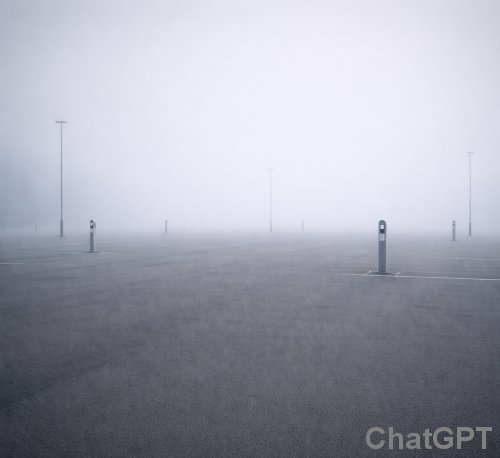
Admittedly, we went a bit overboard in our eagerness to highlight the difference from the more cozy gas station of the 1970s. But such loading areas really do exist. Electric truck driver Tobias Wagner
filmed them during his trip north to Finland.
Of course, that’s not possible here, but it really highlights the change. After all, it should be clear that, for example, you’ll often look in vain for restrooms at charging stations. Back in the day, you could at least
ask about it and might then be given a key to the restroom in the backyard.
Yes, there are also more luxurious rest stops off the highways, perhaps even with showers and free coffee. It's not necessary to warm yourself up like in a car with an internal combustion engine, where you had to turn off the
engine. But it didn't need to spend that long at the gas station either.
That will settle down. Unfortunately, Germans have never had to get used to paying directly at the pump, as is the case in the U.S., for example. Whether mini-supermarkets will also be able to establish themselves at charging
parks remains to be seen.
It's still too early, even though the development of charging stations currently seems to be outpacing the sales of electric cars. There has been a failure to standardize the location of the fuel filler neck or the power outlet,
and, quite rightly, more emphasis has been placed on the design of the plugs.
With trucks, there is a tendency to place at least the basic equipment on the left side. Accessories, such as a second identical port or a charging port for megawatt charging, are then added to the other side.
It's already hard enough with maneuvering and possibly unhitching.
And since drivers have always been accustomed to seeing someone at the counter, where they usually paid in cash, the confusion surrounding the payment cards is likely to unsettle card users who are already feeling
uncertain.
The convenience of being able to check the prices before turning into the gas station hasn't carried over either. So the image of a rather soulless parking lot isn't entirely off the mark after all. And then there's also the issue of
cars forming queues during holidays . . .
Prospective buyers of electric cars will find the division into two classes even more troubling. Then there are the winners, for example, those who own their own home, have a garage, or at least a designated parking space, or
subscribers to underground parking garages with the option to purchase electricity on a continuous basis.
And on the other hand, there are those who still don’t have enough options, people who can’t find a parking spot, let alone a charging station, near their rental apartment. They’re allowed to leave their car somewhere even
when it’s raining and actually have to pick it up on time and find a parking spot for the rest of the night.
A solution is in sight. Although the practice of freeloading electricity at Aldi and Ikea has been put to an end, small charging stations for quick charging have actually been set up at those locations. There are also other
opportunities to multiply.
This goes hand in hand with new technologies based on affordable storage solutions. These allow electricity to be continuously drawn from the grid in smaller amounts and then supplied to vehicles
at slightly higher power levels. This can be a selling point when recruiting employees, and not just when offering free benefits.
It is certainly customary and sensible to offer this to guests of a company or institution as well. If someone has traveled a long distance to come to a meeting, he or she will be grateful to receive enough power during
the conversation duration to cover the return trip.
And if we can’t even agree on the ubiquitous light poles, perhaps the coverable outlet at the curb would be worth considering. And the more charging options there are, even the more inconspicuous ones,
the shorter the walk to and from home.
|