|
| 
|
 503 503

kfz-tech.de/PBM141
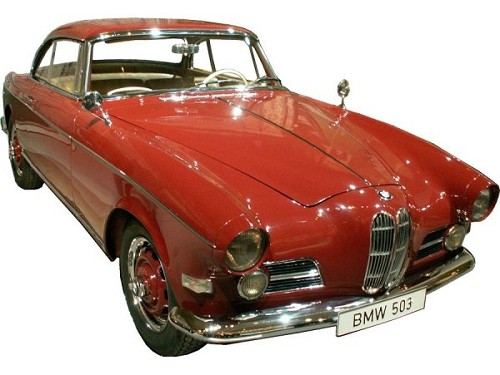
BMW 503 3.168 cm3 (82,0 * 75,0), V8, 7,3 : 1, 2*OHV, Aluminium cylinder, 2 carburettors, 216 Nm 2000-4000 rpm, 103 kW (140 HP) 4800 rpm, 4 speeds, Double wishbones, rigid axle, torsion bars,
drum brakes, later front disc brakes, servo, 6.00-16, 4,75/2,84/1,71/1,44 m, tank 75 l, 1.412 (388) kg, 190 km/h, from 29.500 DM, 1956-1959
kfz-tech.de/PBM142
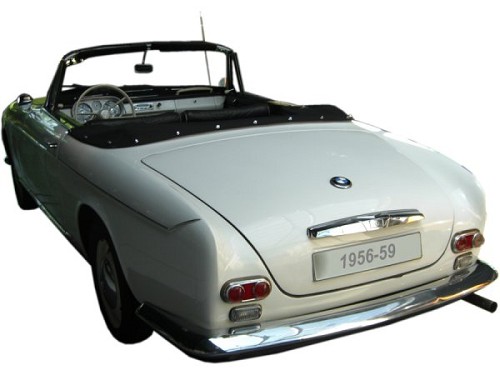
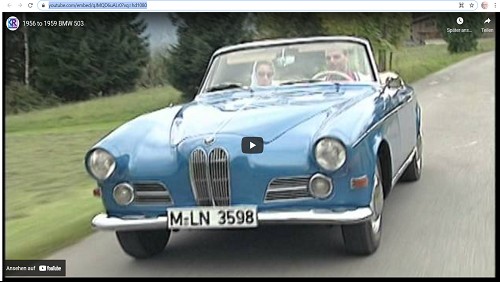
It was actually quite remarkable, because the BMW 503 was the first German car to feature an electrohydraulic fabric convertible top and window regulators operated by the same system. It was presented at the IAA in
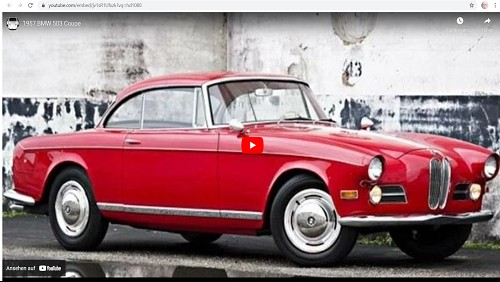
Frankfurt in 1955. Perhaps an even more worthy representative of the brand, because unlike the 507, it proudly and prominently displayed the BMW kidney grille.
| An electric 18-bar hydraulic pump makes it possible. |
The comparison was obvious, since both cars were designed by the same person, Albrecht Graf Goertz, who was of German origin but lived in the United States. He was a student of Raymond Loewy, the
designer of the Coca-Cola bottle, among other things. The Goertz 503 scored higher for its front end than for its rear, even though the auxiliary lights seemed a bit distracting.
kfz-tech.de/PBM143
The Goertz 503 was built on a shortened 501/502 chassis. There was also a design by Ernst Loof for the full-length chassis, but it ultimately fell short of Goertz's design. The front end was so well-received by BMW
executives that it was even fitted to the large 505, which was intended to lure Chancellor Adenauer away from Mercedes, an effort that, as is well known, failed because of his hat.

kfz-tech.de/PBM144
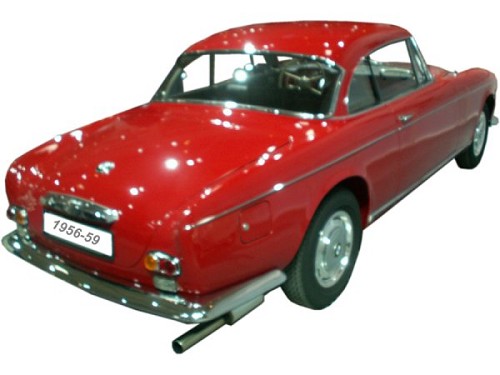
In total, Count Goertz is said to have taken only 18 months to develop the 503 and the 507 combined. His 503 wasn't known for any particular excesses. If anything, he came across as a bit shy. The only extravagant
features were probably the aluminum body and the option of a two-tone paint job.
kfz-tech.de/PBM145
| Transmission: initially with an aluminum housing and separate components; later with a gray cast
iron housing and flanged (ZF). |
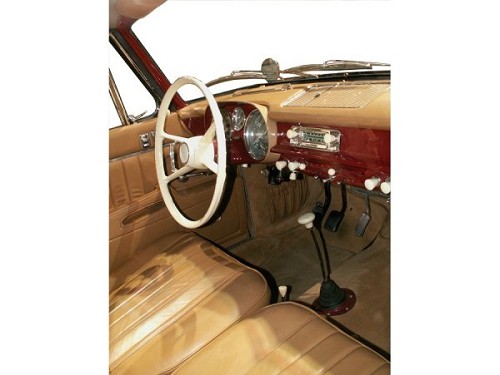
That impression continued when you looked under the hood. There, the V8, familiar from the 501/502, ran very quietly and, when needed, with a bit more punch. During the production period, as with the sedans,
the transmission underwent a change. Initially, with steering wheel-mounted shifters, the distance to the engine was eliminated, making a center-mounted shifter possible.

kfz-tech.de/PBM146
| Aluminum body, handcrafted . . . |
With just over 250 units sold, the 507 was ultimately more successful than the 503, which sold 138. It's amazing that the latter was also 3,000 DM more expensive. Overall, while the 500 Series certainly bolstered BMW's
reputation as a luxury automaker, in terms of sales success and cost structure, it was almost the nail in the coffin.
kfz-tech.de/PBM147
kfz-tech.de/YBM129
kfz-tech.de/YBM131
|
|