|
Lubrication - Grease
Assignment
Grease should be water-repellent and anti-oxidant, allowing little friction when cold. It should withstand high pressures and aggressive chemicals, prevent corrosion and maintain all these attributes for a long time.
Some of these demands exclude each other, e.g., the low frictional properties and the longevity.
Function
Grease is formed, when lyes, like potash lye or calcium hydroxide, react with fatty acids, creating soaps. Mixing it with mineral oil, heating it up and cooling it down in a certain manner, creates grease. Basically, what we
are left with, is thickened lubrication oil. An important measure of it's consistency, is it's ability to penetrate. Grease is widely
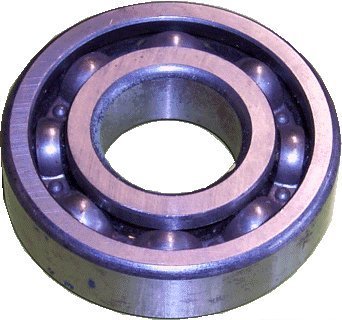
used, for roller bearings (e.g., wheel bearings) and even for the lubrication of rails. If it is not possible to use oil for sliding bearings, grease is an alternative. If the grease is to be used under special conditions like high
temperatures, solid lubricants like graphite or molybdenum sulphide may be added.
|
|