|
A B C D E F G H I J K L M N O P Q R S T U V W X Y Z
 Ford Granada (1972) Ford Granada (1972)
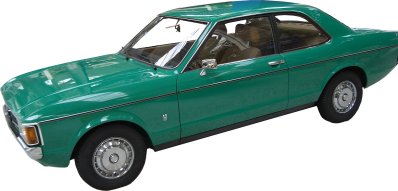


With this car Ford enters new technical territory, both in the passive prevention of accidents in the range of body development and in the active for the chassis. Already on the front axle is no longer the well-known Mc-Pherson construction, but a double wishbone which is attached to a subframe. Rear are used now trailing arms, thus reducing the unsprung weights significantly.
Everything indicates that this vehicle is intended to compete with the then existing upper class. Then there is the always well-known by Ford rich range of engines. With 'Consul' and 'Granada' are available two options. In this class still unusual, an estate car is offered. But Ford is only accepted by the buyers as s manufacturer of cheap six-cylinder. Also lack the usual even at this time diesel variants. Thus the new models are not very successful, what brings as always in the automotive industry a clear hectically change of course. The dedication in the upper class is finally finished with the Scorpio.
cartecc.com
Top of page
Index
2001-2015 Copyright programs, texts, animations, pictures: H. Huppertz - E-Mail
Translator: Don Leslie - Email: lesdon@t-online.de | |

|




 Ford
Ford "Two-door version starting in 1973 - click to enlarge!")