|
A B C D E F G H I J K L M N O P Q R S T U V W X Y Z
 Alfa Giulia GTA Alfa Giulia GTA
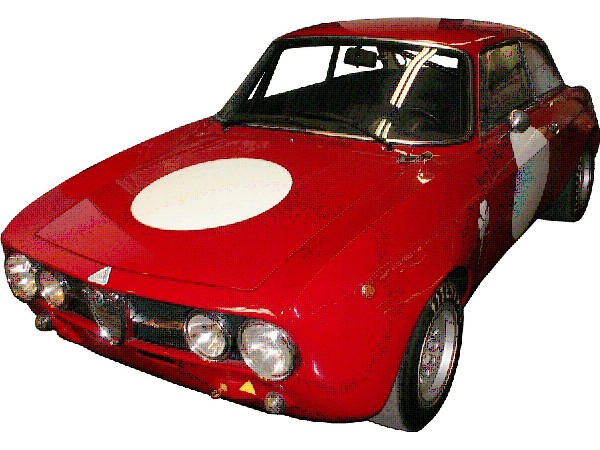


Did you know that the last letter in GTA (Grand Tourismo) stands for Allegerita and specifies a lighter version? Lighter in terms of weight, for racing purposes. Central parts of the sub frame are still manufactured from steel metal; the whole outer skin and the inner part of the plates are made from aluminum. In addition, the rocker cover and the comparatively large oil pan are made out of magnesium instead of aluminum. The achievements mentioned above should be seen as a basis, leaving lots of room for extensive tuning possibilities. Supposedly, it is possible to find another 50 horses for the 1600 without enlarging the cubic capacity. This car has put numerous victories on his name. Be it European or national championships.
In addition to the highly effective engine tuning by Autodelta and low weight, the chassis construction and the tremendous certainty of the brakes is crucial for sports success. Not quite insignificant thereby the stability under load of the engine in spite of the high power output.
cartecc.com
Top of page
Index
2001-2015 Copyright programs, texts, animations, pictures: H. Huppertz - E-Mail | |

|




 Italy 1
 "GTAm-model - click to enlarge!")